
Every morning, business owners wake up to the same challenge: algorithm changes have made their content invisible overnight, AI-generated posts flood every platform, and audiences scroll past even the most carefully crafted messages. If you’ve felt this frustration, you’re not alone. Over half of marketing professionals identify algorithm volatility as their biggest challenge.
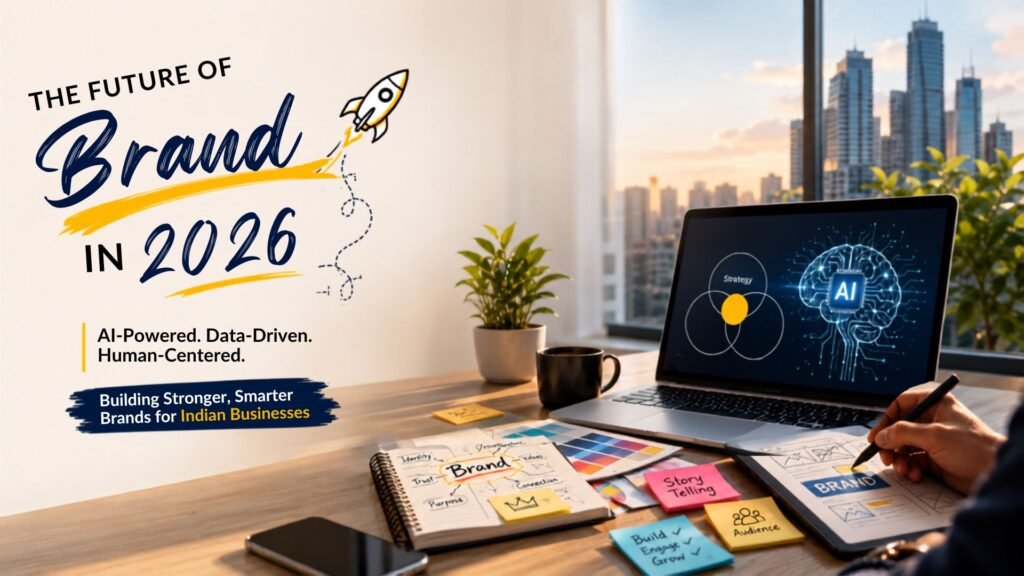
The landscape of branding in 2026 will be fundamentally different from what we know today. Success won’t come from posting more content or chasing every new platform. Instead, it demands a strategic shift toward quality, authenticity, and smart AI integration. Here’s exactly how to position your brand for success in this transformed environment.
Why Branding in 2026 Demands a Different Approach
The rules have changed. Research involving over 300 marketing professionals reveals that trust and authenticity have become the scarcest resources in marketing. With 5.24 billion social media users globally, audiences have become sophisticated at detecting inauthentic communications.
Current branding trends indicate three forces reshaping how businesses connect with audiences: AI integration at scale, permanent algorithm volatility, and an authenticity premium. These aren’t temporary shifts – they’re the new foundation of effective branding.
The most critical insight? Posting more content won’t grow your brand anymore. The volume-focused approaches that worked in 2023 are actively hurting brands in 2026. Instead, businesses must publish less content but with significantly greater quality – a fundamental departure that requires both strategic thinking and operational discipline.
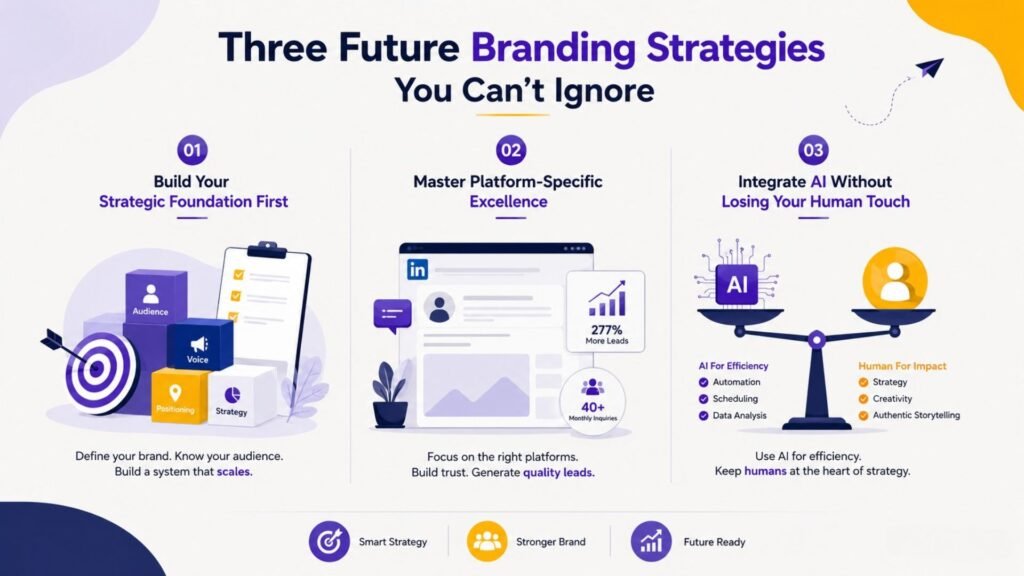
Three Future Branding Strategies You Can’t Ignore
1. Build Your Strategic Foundation First
Before creating any content, establish a systematic approach to your brand identity. This means defining your brand voice, mapping your audience precisely, and choosing platforms strategically rather than being everywhere at once.
The 7-step framework used by million-dollar brands provides exactly this foundation. It walks you through defining your brand positioning, researching your audience, developing content pillars, and creating consistent engagement – all critical elements for branding in 2026.
Without this framework, you’re essentially guessing. With it, you create a repeatable system that works regardless of algorithm changes.
2. Master Platform-Specific Excellence
Generic content distributed across all platforms is dead. Success in branding in 2026 requires deep expertise on specific platforms where your audience actually engages.
For B2B businesses, LinkedIn remains the most powerful branding platform. But simply posting isn’t enough. Strategic LinkedIn management can generate 277% more leads when done correctly.
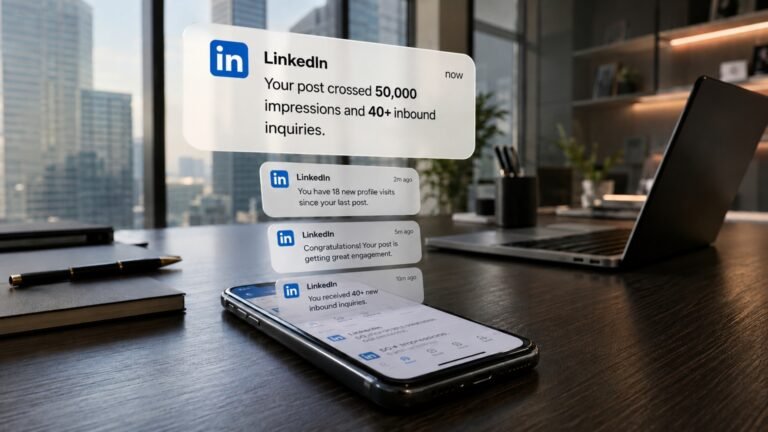
Take Ashish Kumar’s LinkedIn presence as an example. Rather than chasing viral posts, the strategy focuses on thoughtful content that demonstrates expertise, builds trust, and creates genuine connections. This approach generated 40+ monthly inquiries – proving that quality engagement beats volume every time.
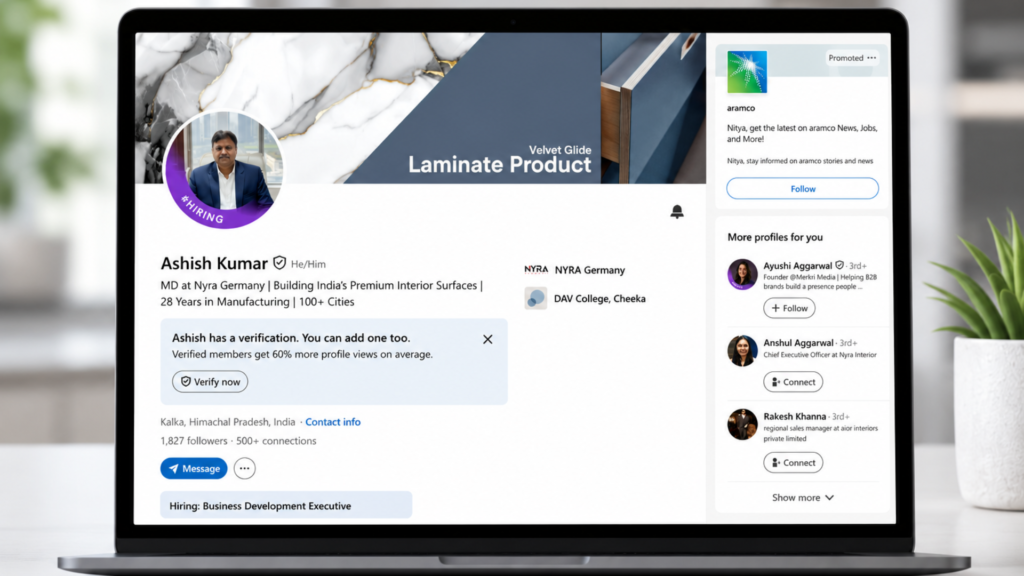
The emerging branding trends 2026 research reveals that 92% of users trust peer recommendations over advertisements. This makes authentic, expertise-driven content on platforms like LinkedIn far more valuable than traditional advertising.
3. Integrate AI Without Losing Your Human Touch
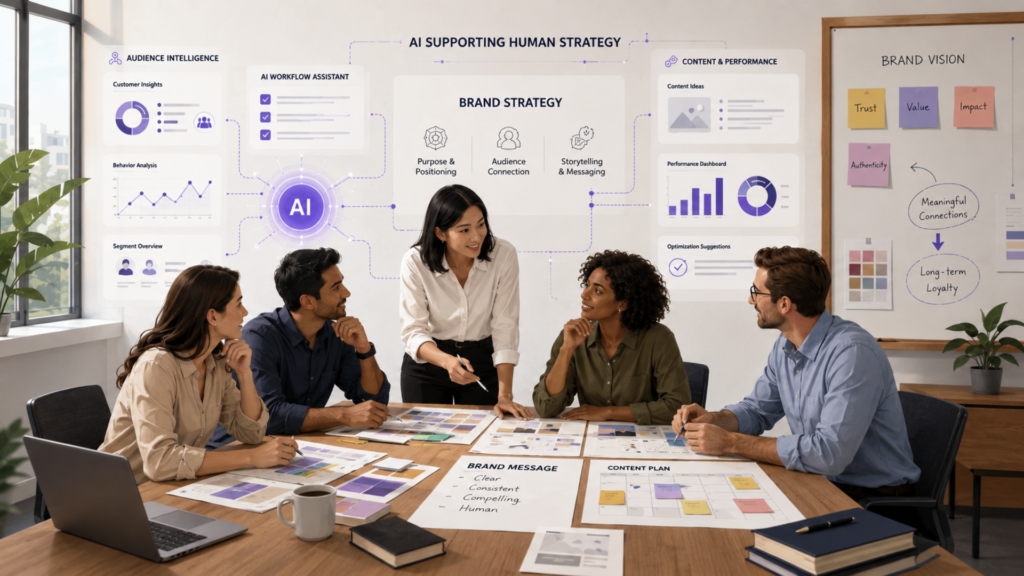
AI isn’t optional in 2026 – it’s foundational. But here’s the critical balance: use AI for efficiency while maintaining human oversight for strategy and creativity.
Nearly three-quarters of agencies believe micro-influencers are more effective than celebrities because audiences value authentic expertise over celebrity status. This same principle applies to your brand content. AI can help you create more efficiently, but your unique perspective, industry expertise, and authentic voice are what actually build trust.
The recommended approach: leverage AI tools for workflow automation, content scheduling, and data analysis. But reserve strategic decisions, creative direction, and authentic storytelling for human team members. This combination delivers both efficiency and differentiation.
Even 2026 logo design is evolving to reflect this balance – emphasizing timeless, authentic elements rather than chasing trendy aesthetics that AI can easily replicate.
Your Next Steps
Understanding these future branding strategies is just the beginning. Implementation requires commitment to quality over quantity, investment in strategic frameworks, and the discipline to focus on platforms where your audience actually engages.
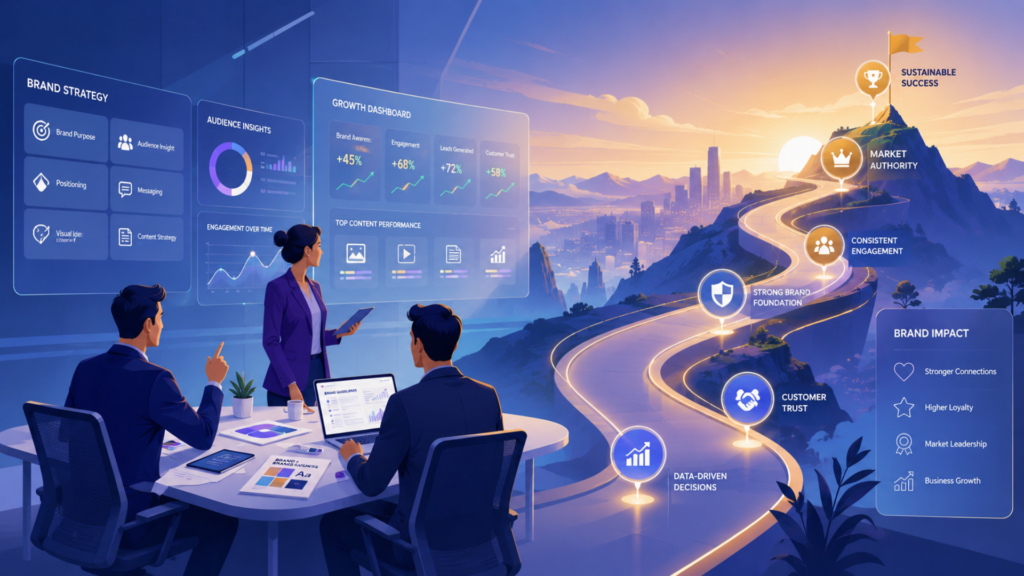
The businesses that thrive in branding in 2026 won’t be those with the most content or the biggest budgets. They’ll be the ones that build genuine trust, demonstrate real expertise, and create authentic connections – exactly what audiences are desperately seeking in an AI-saturated marketplace.
Ready to build a brand that stands out in 2026? Start by auditing your current approach against these three strategies. Then, systematically implement the frameworks that align with your business goals and audience needs.
Frequently Asked Questions
Branding in 2026 focuses on authenticity, strategic AI integration, and quality over quantity. It’s about building genuine trust through expertise-driven content rather than chasing viral moments or posting frequently.
The key difference is the shift from volume to value. Algorithm volatility and AI saturation mean audiences now prioritize authentic, high-quality content over frequent posts. Platform-specific excellence matters more than being everywhere at once.
It depends on your audience. For B2B businesses, LinkedIn remains the most powerful platform for generating quality leads. The key is mastering one or two platforms deeply rather than spreading thin across all channels.
AI should handle workflow automation, content scheduling, and data analysis. However, human oversight is essential for strategy, creativity, and authentic storytelling – the elements that actually build trust and differentiation.
Algorithms now prioritize engagement quality over posting frequency. Audiences are overwhelmed with content and have become skilled at ignoring generic posts. Strategic, high-quality content performs better than high-volume, mediocre content.