
If you’re looking for how to grow your business online, this guide breaks it down step by step.
Most businesses invest in websites, content, and ads. But results often don’t show.
No consistent leads. Low conversions. No real revenue growth.
If that sounds familiar, the issue isn’t execution – it’s how online growth is being approached.
Key Takeaways
- Know your audience deeply: Create buyer personas – only 42% of marketers know their target demographics.
- Build a mobile-first foundation: 60% of traffic is mobile. Load pages within 3 seconds.
- Create value-driven content: 68% of users convert when content solves their problems.
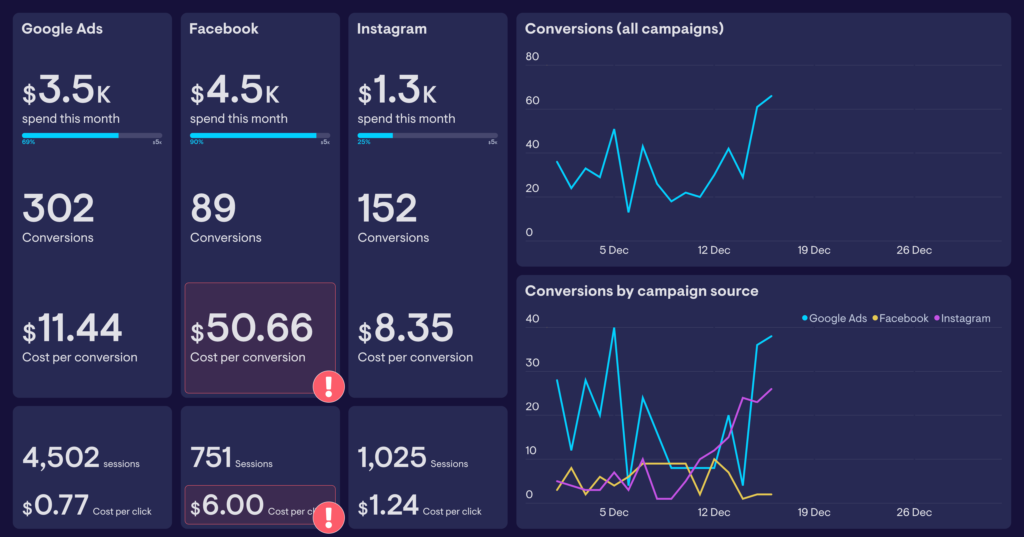
- Use targeted advertising: Allocate 5-8% of revenue. Aim for 3-4x ROAS.
- Measure and automate: Track conversion rates (2-3% avg). Retention is 5x cheaper than acquisition.
Step 1: Know Who You’re Selling To

Only 42% of marketers know their target audience demographics.
Want to grow your business online? That needs to change.
Create buyer personas
Built from real customer data. Most businesses need 2-3 core personas.
Gather data from: Website analytics, CRM, social insights, email metrics.
Interview 3-5 people per persona. Talk to happy and unhappy customers.
Research gathers: Demographics, customer behavior, psychographics, goals, and pain points.
Research where customers spend time
Where they spend time = where you place content and ads.
- Survey existing customers
- Check analytics
- Look at influencers they follow
Understand their pain points
66% of customers expect businesses to understand customer needs and customer expectations.
Pain point categories: Financial, productivity, process, customer support.
Identify by: Surveys, sales/customer service teams, competitor reviews, customer feedback.
Only 1 in 26 unhappy customers complain. Solving pain points prevents negative word-of-mouth and improves customer satisfaction throughout the customer journey.
Step 2: Build Your Online Foundation to Grow Your Business Online
Set up a professional website
Choose hosting: Shared (small sites), VPS (better performance), Dedicated (high traffic).
Look for website builders with business tools and drag-and-drop editors.
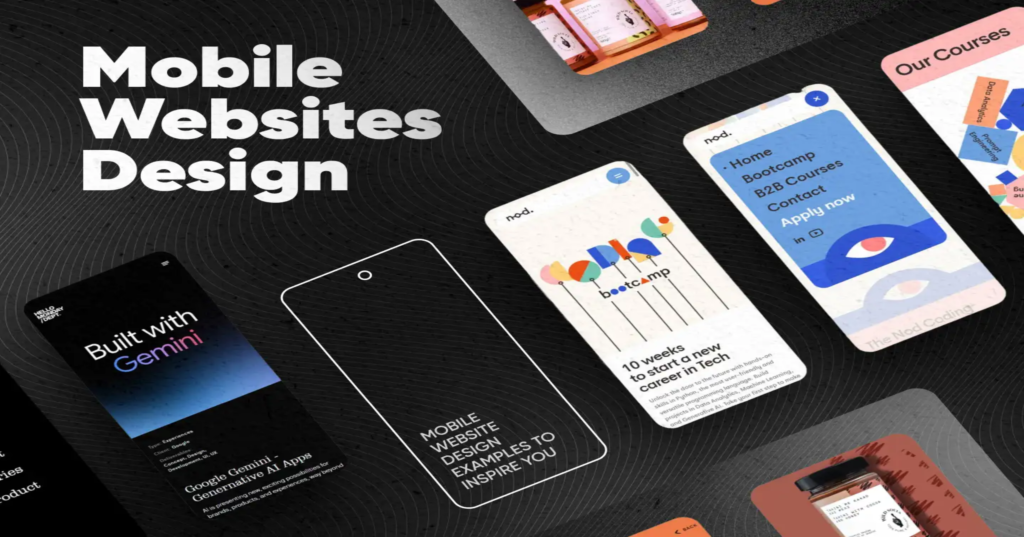
Optimize for mobile users
Over 60% of website traffic comes from mobile.
Visitors are 5x more likely to leave if your site isn’t mobile-friendly, directly impacting customer experience.
Mobile essentials: Simple forms, responsive design, 16px text, touch-friendly buttons.
Ensure fast loading speeds
Nearly half of visitors leave if pages don’t load within 3 seconds.
Speed fixes: Fast hosting, compress images, limit HTTP requests, browser caching.
Create clear CTAs
Best practices: Crystal clear next step, high-contrast buttons, action verbs (Get, Start, Join) across all digital channels.
Step 3: Create Content That Helps Grow Your Business Online
Develop value-driven content
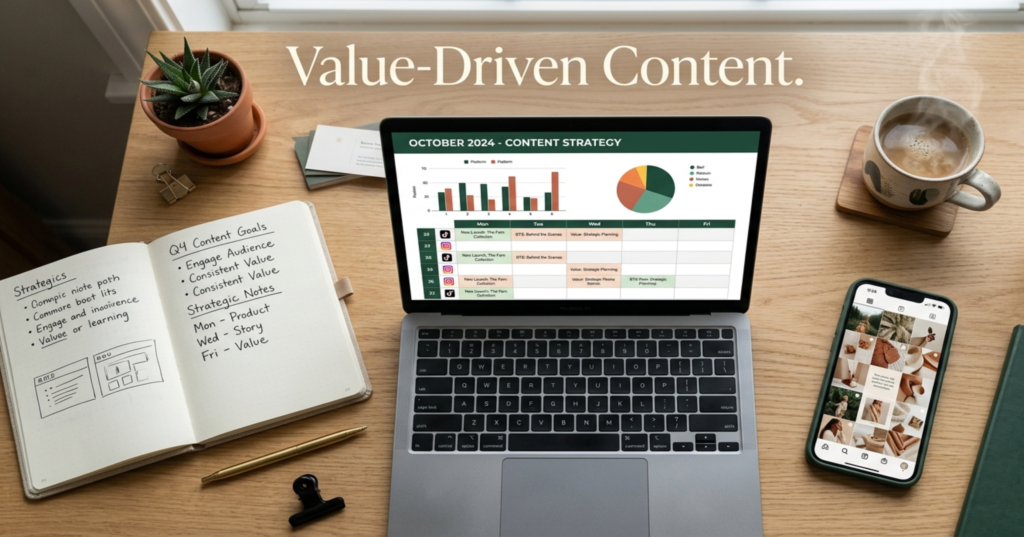
People who find problem-solving content are 68% more likely to convert and increase customer engagement.
The magic number: 16+ blogs/month = 3.5x more traffic.
Optimize for search engines
Search intent cheat sheet:
| Search Type | Intent | Your Content |
|---|---|---|
| “How to…” | Informational | Write guides |
| “Best X for Y” | Commercial | Write comparisons |
| “Buy X” | Transactional | Optimize product page |
Where to put your keyword: First 100 words, URL slug, H1, one H2, image alt text.
That’s 80% of the work.
Use social media
Pick 2-3 platforms:
- LinkedIn – B2B
- Instagram – Visual brands
- Facebook – Local business
- Twitter – News
Effective social media marketing requires consistent personalized content that builds customer relationships and encourages customer advocacy.
Build an email list
Email delivers ₹3037 for every ₹84 spent – 36x return.
Grow with: Lead magnets, opt-in forms, “10% off” offers.
Step 4: Run Targeted Online Advertising
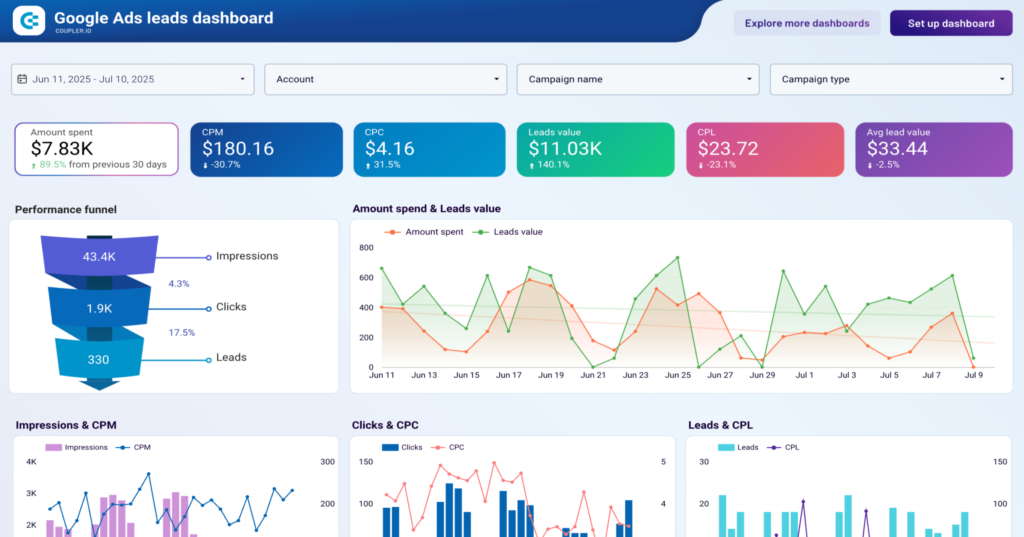
Paid advertising puts you in front of ready-to-buy customers within hours as part of your online marketing strategy.
Google Ads for search intent
Google Ads targets users with clear purchase intent.
Basics: Test both Google and Facebook. Start with Search campaigns.
Facebook & Instagram ads
Excel at reaching people based on demographics, interests, and behaviors.
Targeting: Detailed, custom audiences, lookalike audiences.
Budget and ROI
Guidelines:
- Allocate 5-8% of revenue
- Start with ₹300-500/day
- Aim for 3-4x ROAS
Track: ROAS = Revenue ÷ Ad spend | ROI = (Sales growth – Marketing costs) ÷ Marketing costs
Test and refine
Test: Audiences, keywords, ad copy, landing pages.
Use 200-300 samples per concept. Avoid changes more than every two weeks.
Step 5: Measure, Automate, and Scale
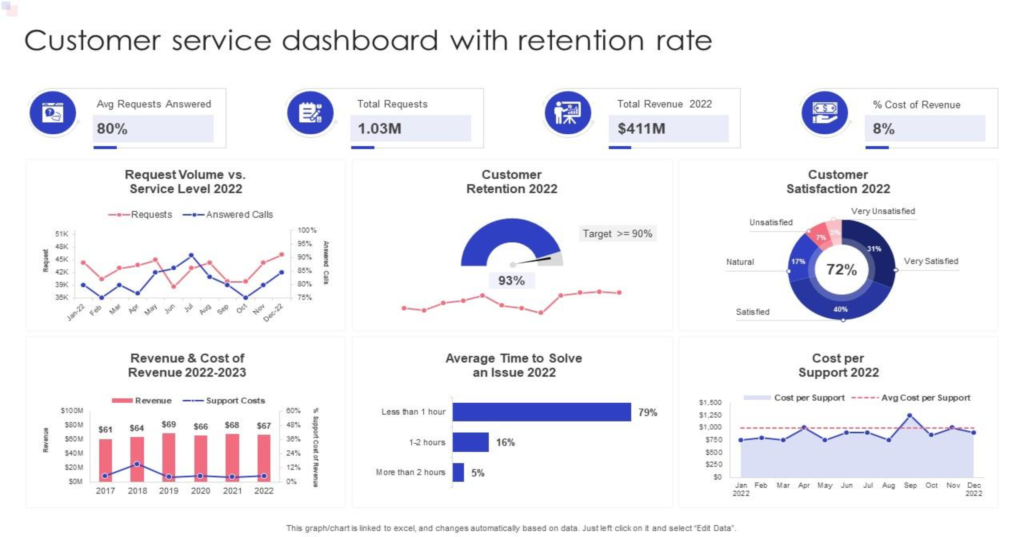
Track what matters
The only 5 numbers you need:
| Metric | What It Tells You | Check |
|---|---|---|
| Conversion rate | % who buy (avg 2-3%) | Weekly |
| Customer acquisition cost | Ad efficiency | Weekly |
| Customer lifetime value | Long-term profit | Quarterly |
| Retention rate | How many return | Monthly |
| Cart abandonment | Checkout problems | Monthly |
Automate tasks
50% of work activities are automatable.
Automate: Email sequences, social scheduling, invoicing, follow-ups.
Focus on retention
Acquiring new customers costs 5-7x more than retaining customers and improving customer retention.
A 5% increase in customer retention boosts profits by 25-95% and drives predictable revenue
Customer retention strategies and tactics: Loyalty programs through customer retention programs, regular customer feedback collection, personalized offers, exceptional customer service, building a customer community, and implementing a comprehensive customer retention plan.
Effective retention marketing and customer retention strategy focus on increasing customer retention by delivering consistent customer value and ensuring customer success. Use social media listening to understand customer expectations and improve customer retention through better customer engagement.
Continuously test
Test one thing at a time: headlines, button colors, page layouts.
Run tests for 1-2 weeks and gather customer reviews to inform improvements.
Conclusion
You don’t need to do everything. Do the right things consistently.
Start with your biggest weakness:
- Don’t know your audience? → Step 1
- Site slow? → Step 2
- No content? → Step 3
- No traffic? → Step 4
- Flying blind? → Step 5
Fix that one thing. Track results. Then move to the next.
The difference between growth and struggle lies in execution.
If you want to build a system that actually brings results, feel free to connect with us.
Frequently Asked Questions
Usually 3-6 months depending on strategy and consistency.
A mix of SEO, content marketing, and paid ads works best.
Conversion rate (2-3% avg), customer retention rate, NPS, and customer lifetime value.
Allocate 5-8% of revenue. Start with ₹300-500/day. Aim for 3-4x ROAS.
Over 60% of traffic is mobile. Visitors are 5x more likely to leave if your site isn’t mobile-friendly.