

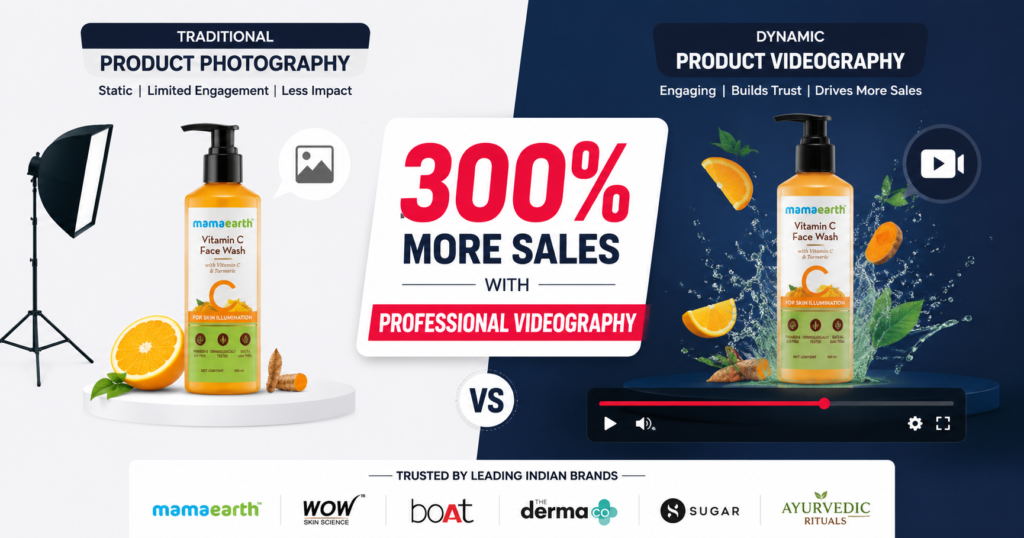
When Zomato transformed their customer engagement strategy using AI-driven video recommendations, they didn’t just improve their app experience-they achieved a 35% increase in user retention and 40% boost in repeat orders. This success story represents a larger shift happening across India, where videography marketing has become the secret weapon for brands looking to capture the attention of over 500 million social media users.
The numbers tell a compelling story. 87% of people have been convinced to buy a product or service after watching a video, while 82% of all internet traffic now comes from video content. For Indian brands competing in an increasingly crowded digital marketplace, videography marketing isn’t just an option-it’s essential for survival.
Why Videos Marketing Delivers Results in the Indian Market
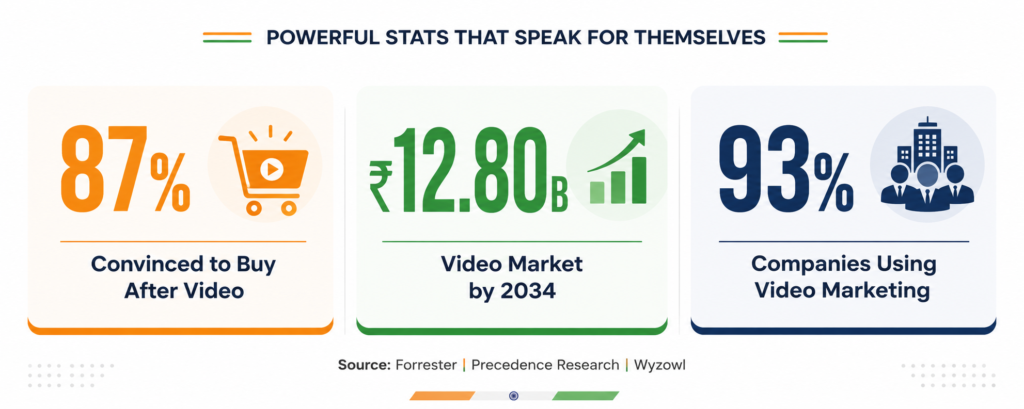
The Indian video streaming market is experiencing explosive growth, projected to reach USD 12.80 billion by 2034 with a compound annual growth rate of 10.34%. This growth creates unprecedented opportunities for brands willing to invest in quality videography marketing.
Consider the transformation at Nykaa, where strategic influencer collaborations featuring product videos resulted in a 61% increase in quarterly profits and 27% boost in beauty product sales. The key wasn’t just creating videos-it was understanding how video and marketing work together to build authentic connections with customers.
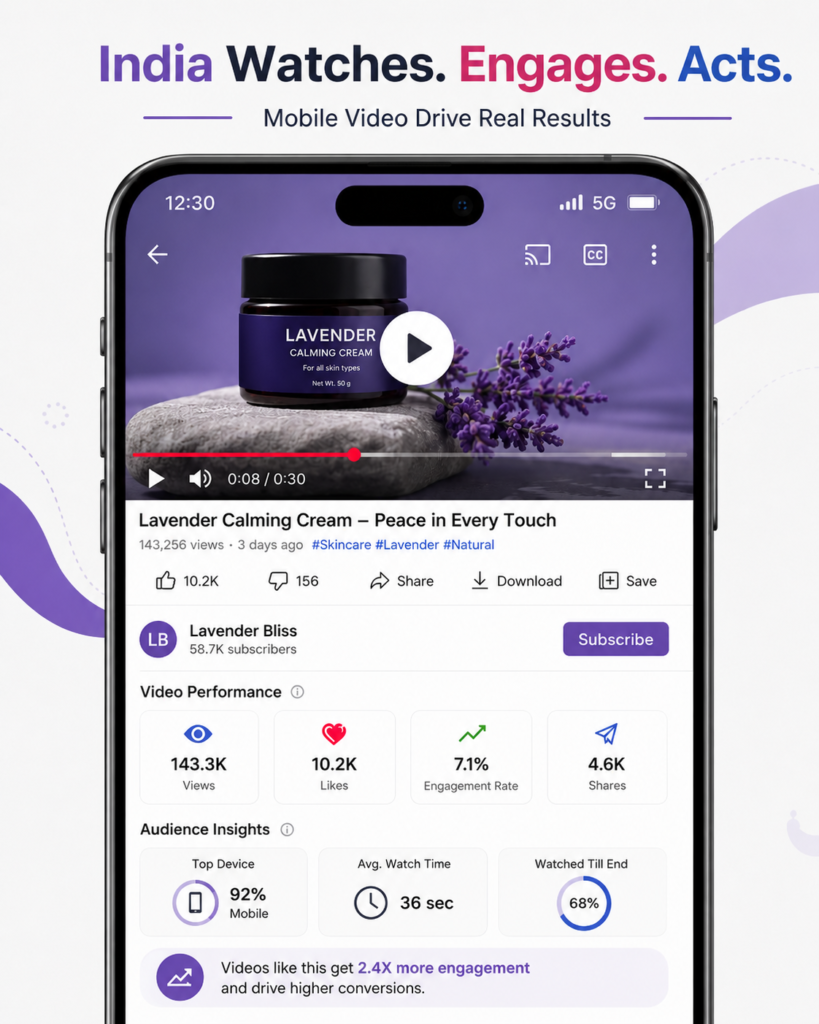
What makes videography marketing particularly effective in India is the mobile-first behavior of consumers. 75% of video views happen on mobile devices, and 91% of consumers prefer learning about products through video rather than text. This preference aligns perfectly with India’s smartphone-driven digital adoption, where 90% of new internet users prefer consuming information in their native language.
The Strategic Framework for Videography Marketing Success
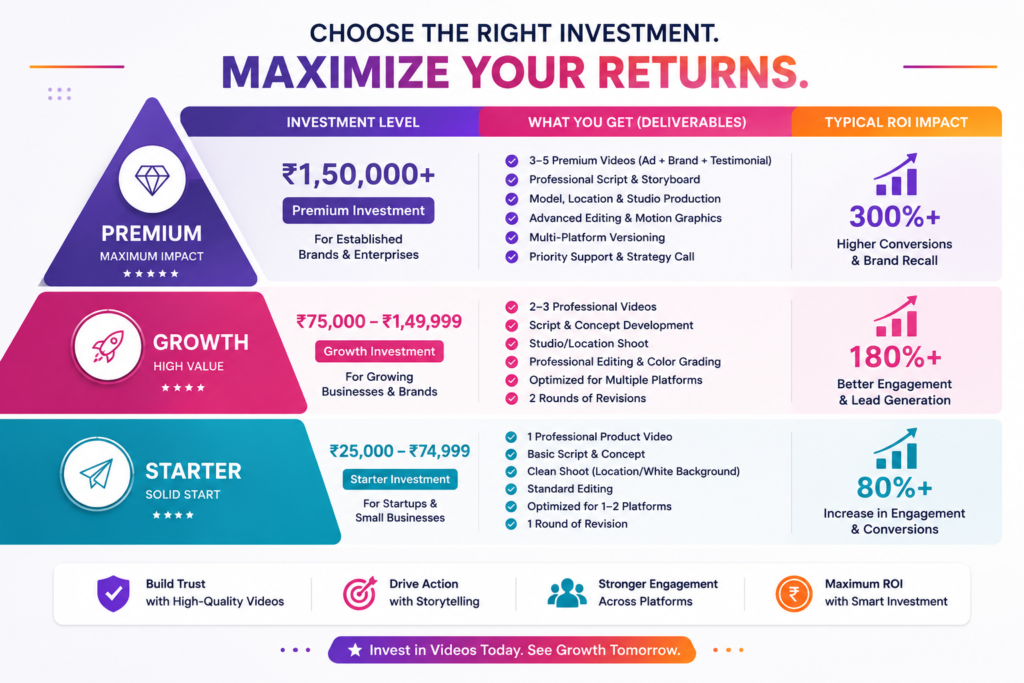
Smart businesses are investing in videography marketing to capture attention in a crowded digital space. The most successful approach involves understanding the three tiers of video production investment available in India.
Budget-conscious brands can start with basic videography marketing services ranging from ₹4,000 to ₹10,000 per video. This entry-level investment covers fundamental editing and single-camera setups, perfect for testing video marketing effectiveness before scaling up.
Growing businesses typically invest ₹15,000 to ₹35,000 for professional freelancer services that include multi-camera switching, color grading, and clip production. This middle tier provides the quality needed to compete effectively on social media platforms.
Established brands allocating ₹45,000 to ₹85,000 for agency-level videography marketing receive comprehensive packages including end-to-end production, SEO-optimized content, and marketing resources. These investments typically generate over 15 content pieces from a single 60-minute recording session.
The strategic advantage becomes clear when examining success stories like Tata Motors’ electric vehicle campaign. By incorporating AR-enhanced videos marketing, they achieved a 150% increase in inquiries and 30% boost in online sales. This demonstrates how innovative video and marketing integration can drive measurable business results.
Maximizing ROI Through Smart Distribution
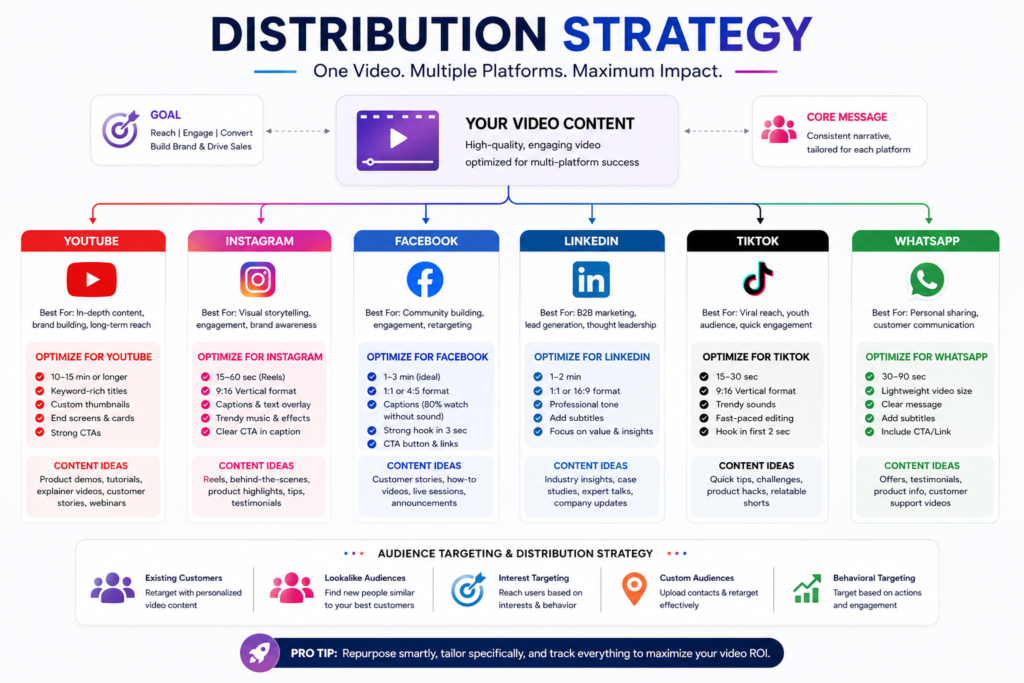
The most effective videography marketing strategies combine organic and paid distribution. 93% of businesses now use video as a marketing tool, but success depends on understanding platform-specific optimization. Instagram excels for short-form product demonstrations, while YouTube dominates long-form educational content.
Amazon India’s hyperlocation targeting strategy exemplifies smart distribution, achieving 25% higher conversion rates and 35% increased sales for location-specific products. Their success came from creating region-specific video content that resonated with local preferences and cultural nuances.
The integration of AI in video marketing has revolutionized efficiency, with 51% of video marketers now using AI tools. This technology reduces production time while maintaining quality standards, making professional videography marketing more accessible to businesses of all sizes.
Taking Action: Your Next Steps
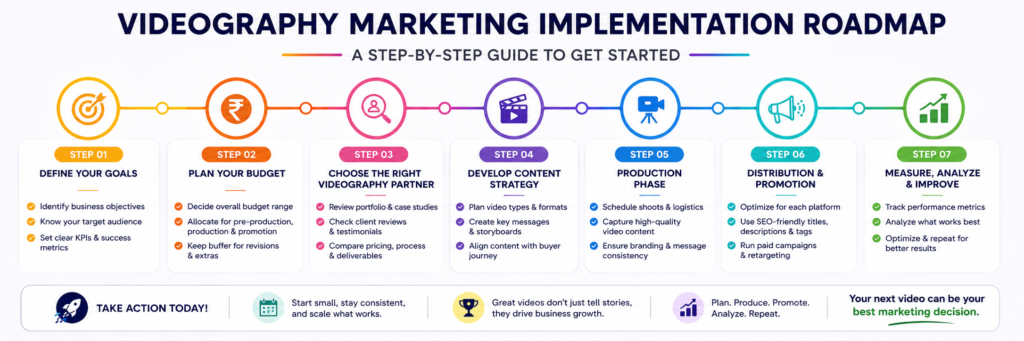
The evidence is overwhelming: videography marketing drives real business results for Indian brands. Whether you’re starting with a ₹10,000 budget or investing ₹85,000 in comprehensive production, the key is beginning with clear objectives and measuring results consistently.
Start by identifying your target audience’s preferred platforms, then create video content that speaks their language-literally and figuratively. Remember that 90% of new internet users prefer content in their native language, making regional customization crucial for success.
The Indian video marketing landscape offers unprecedented opportunities for brands ready to embrace this powerful medium. Your competitors are already investing-the question isn’t whether to start, but how quickly you can begin capturing your share of this growing market.