

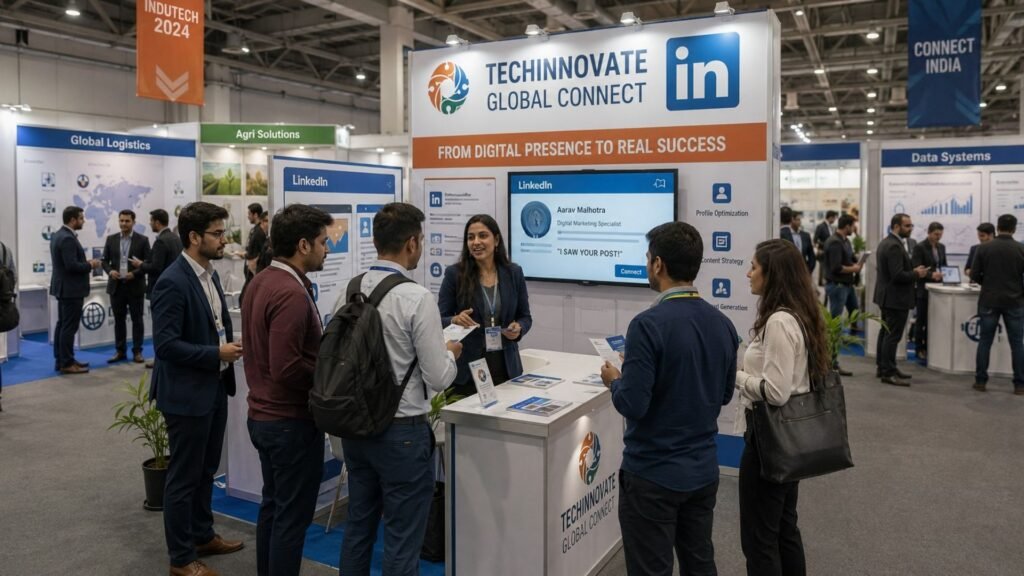
Every day, talented Indian entrepreneurs with exceptional products remain invisible online while competitors with inferior offerings capture market attention. The reason? They lack strategic personal branding that translates offline excellence into online credibility.
Personal branding entrepreneurs in India face a unique challenge: excelling in their core business while struggling to build digital presence. Today’s B2B buyers research potential partners online before making contact. Your personal business reputation precedes every meeting, every proposal, and every opportunity. Without it, you’re starting from zero-or worse, from skepticism about your professionalism.
The Ashish Kumar Success Story: From Invisible to Industry Leader
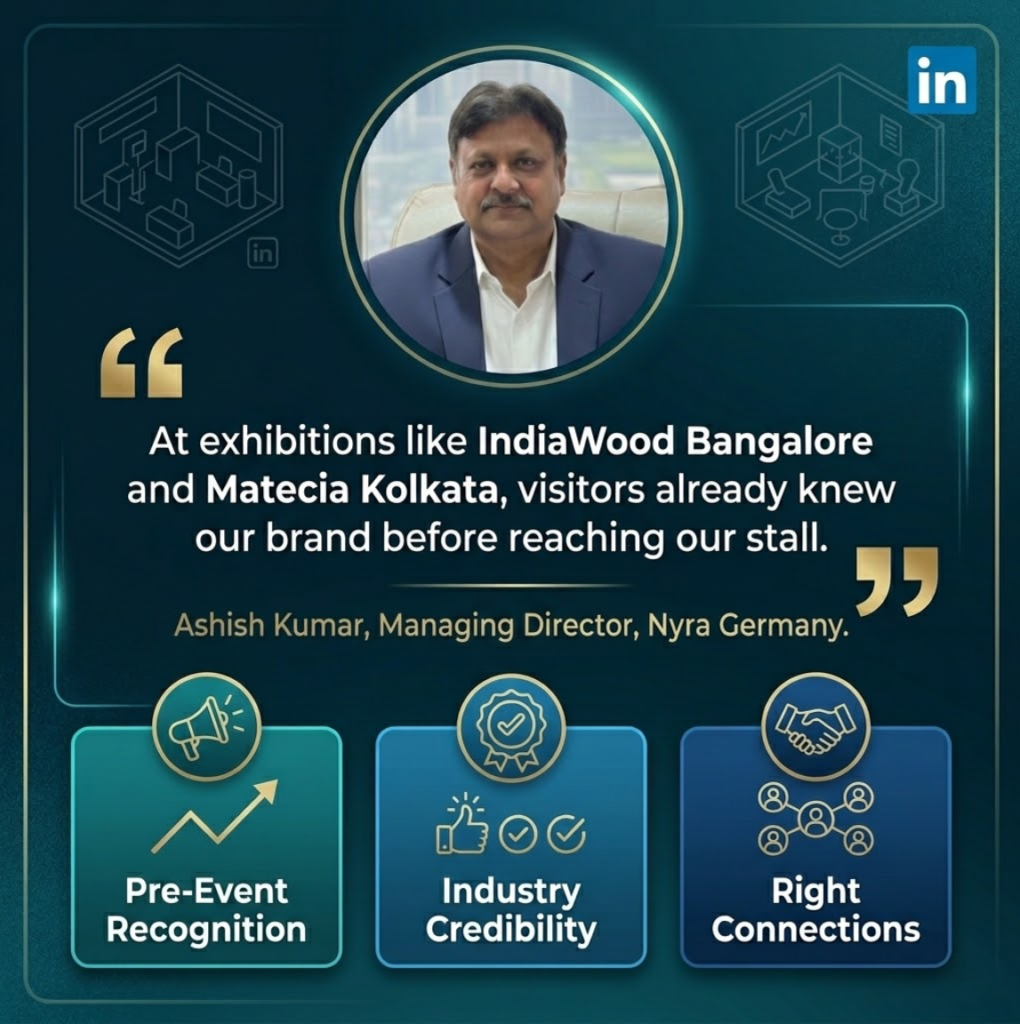
Ashish Kumar, Managing Director of Nyra Germany, exemplifies this transformation. Despite participating in major industry exhibitions, Kumar lacked the pre-event recognition that could maximize these significant investments.
Working with Merkri Media, Kumar embarked on a strategic personal branding initiative focused on optimizing LinkedIn and implementing a consistent content strategy. The approach centered on building authentic industry credibility through valuable content and strategic positioning.
The results were immediate and measurable. Kumar shares: “At exhibitions like IndiaWood Bangalore and Matecia Kolkata, visitors already knew our brand before reaching our stall – the pre-event recognition was significantly better than before. My personal LinkedIn presence has helped me build industry credibility and connect with the right people. That’s what consistent social media and personal branding do.”
This transformed Kumar’s customer journey. Instead of basic introductions, he could immediately engage in substantive business discussions with prospects who already understood his expertise. The networking benefits extended beyond exhibitions, helping him “connect with the right people”-attracting relevant industry contacts and business partners.
How to Build a Personal Brand on LinkedIn: The Merkri Media Framework
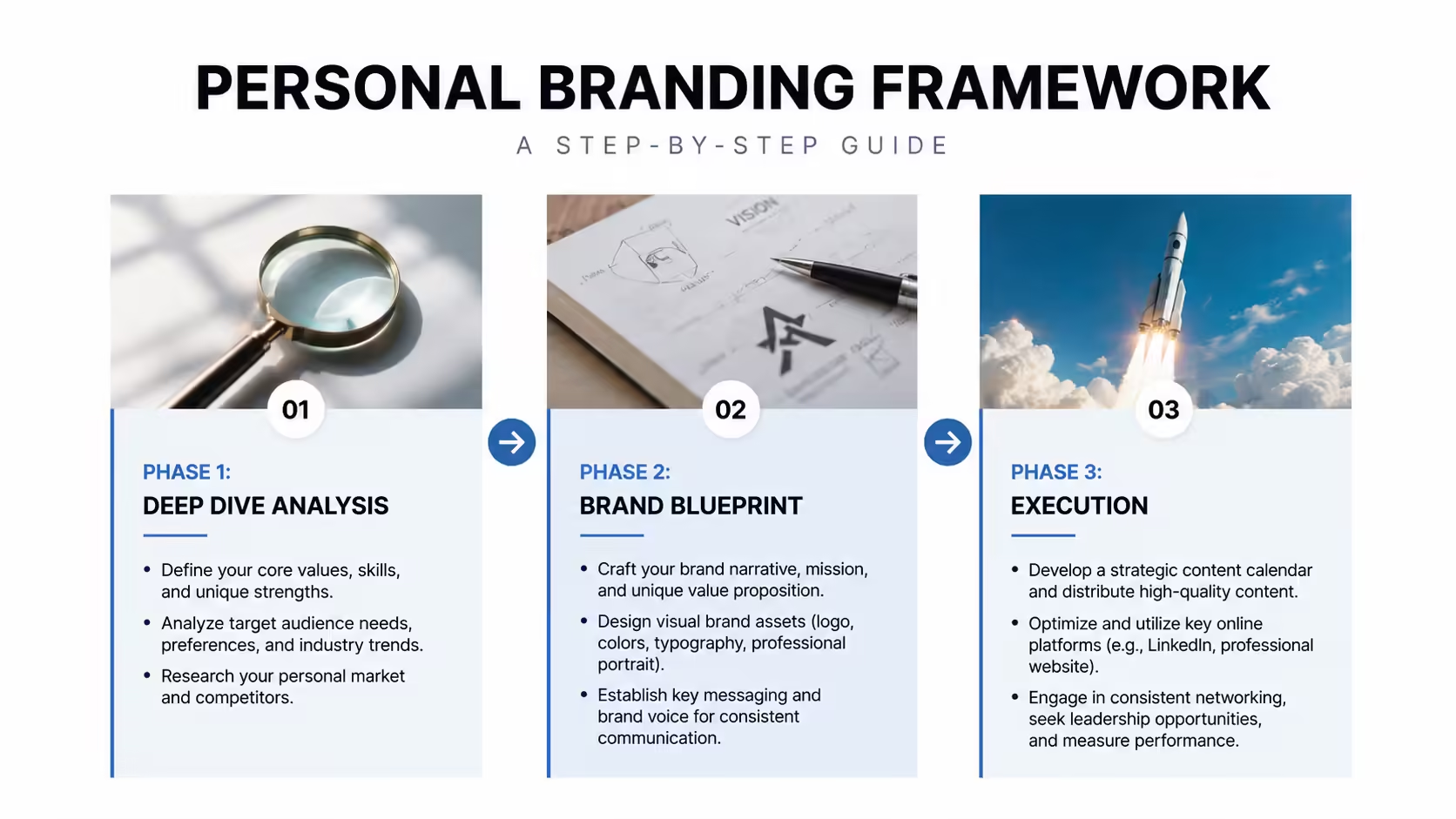
The methodology that transformed Kumar’s presence follows a proven three-phase framework:
Phase 1: Deep Dive Analysis and Strategic Foundation
The process begins with an extensive analysis of your current position, target audience, and competitive landscape. This involves understanding who you are, how you should be perceived, where you should establish presence, and what messaging will resonate with your specific audience.
For Kumar, this revealed the importance of positioning him as an industry authority through consistent, valuable content rather than promotional messaging.
Phase 2: Brand Blueprint Creation and Visual Identity
Following the analysis, develop a detailed brand blueprint including visual identity, messaging strategy, and content themes. This ensures consistency across all touchpoints, creating the recognition that builds trust over time.
For B2B contexts like Kumar’s, professional presentation signals credibility and attention to detail that influences first impressions.
Phase 3: Execution and Sustained Brand Building
Implementation involves profile setup, content creation, engagement strategy, and ongoing brand growth management.
Kumar’s execution focused on LinkedIn with content emphasizing valuable insights and thought leadership. The sustained effort proved crucial-consistency over intensity builds recognition and trust for long-term business outcomes.
Practical Steps to Get Started
1. Conduct Your Personal Brand Audit: Search for your name online. What impression would potential clients form? Document gaps and opportunities.
2. Define Your Unique Value Proposition: What specific expertise or insights do you bring to client relationships? Focus on specific differentiators, not generic claims.
3. Optimize Your LinkedIn Profile: Professional headshot, value-driven headline (not just job title), and a summary focused on client outcomes rather than responsibilities.
4. Develop Your Content Strategy: Identify 3-5 content pillars aligned with your expertise. Plan consistent, valuable content rather than sporadic posts.
5. Build Strategic Relationships: Engage authentically with industry leaders and potential clients by adding valuable insights to conversations.
6. Measure Business Outcomes: Track pre-event recognition, quality connections, and inbound inquiries-not just vanity metrics.
Common Mistakes to Avoid
Quantity Over Quality: Kumar’s success came from consistent, valuable content-not high-volume posting.
Being Overly Promotional: Build trust through valuable insights before sales conversations.
Inconsistent Messaging: Professional credibility requires consistency across all touchpoints.
Your Next Steps
Kumar’s enhanced exhibition recognition didn’t happen overnight-it resulted from sustained effort guided by strategic methodology. Consider working with experienced professionals who understand personal branding for Indian entrepreneurs. Kumar benefited from Merkri Media’s direct founder involvement, ensuring accountability and quality.
Personal branding is an investment in long-term business growth. The credibility you build today generates opportunities for years to come. Your expertise deserves a professional presentation that reflects its true value.